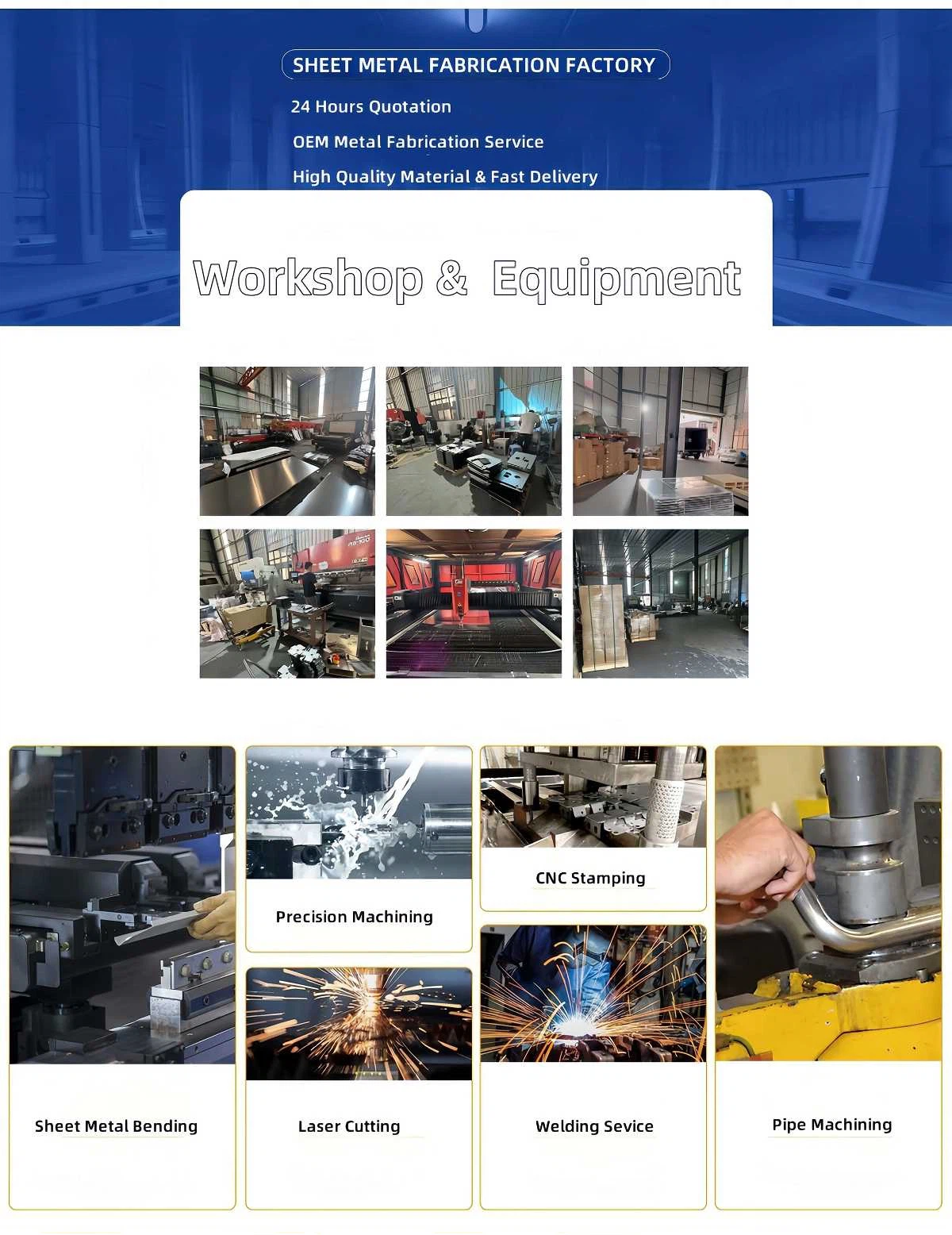
CNC bending of aluminum refers to the process of using computer numerical control (CNC) technology to precisely bend aluminum sheets or parts into specific shapes and angles. This process is commonly used in manufacturing and fabrication industries to create components for various applications, such as aerospace, automotive, electronics, and construction.

|
Material |
Carbon steel, stainless steel,SPCC, SGCC, pipe, galvanized steel , aluminum alloy |
|
Processing |
Laser cutting, Bending, Welding, Precision stamping, CNC Punching, Threading, Riveting, Drilling, Assembling, etc. |
|
Thickness |
0.2~20 mm |
|
Tolerance |
+/-0.1mm, 100% QC quality inspection with quality inspection form |
|
Surface Treatment |
Powder coating, Anodizing, Polishing, Brushing, Sandblast, Plating, Silkscreen printing, Zinc chromate, Black Oxide |
|
Drawing Format |
DWG, STEP, SLDPRT, DXF, IGS, 3DS, STL, SKP, AI, PDF, JPG, Draft |
|
Packing |
Wooden Pallet, Wooden case, Bubble wrap, Paperboard, Film, Crate, etc.(As customers' requirement) |
|
Sample Lead Time |
Negotiate delivery time according to your needs |
|
Quotation is according to your drawing(size, material, thickness, processing content, and required technology, etc) |
|

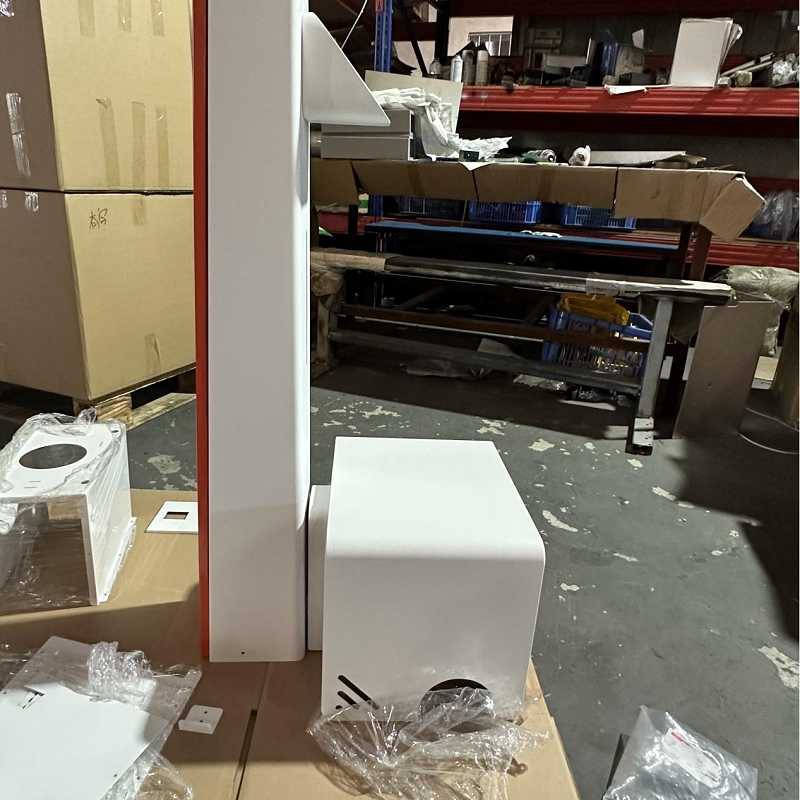
Product Cases




Key Aspects of Aluminum CNC Bending
1. Material Properties:
- Aluminum is lightweight, corrosion-resistant, and has good thermal and electrical conductivity.
- It is relatively soft compared to steel, making it easier to bend but also prone to cracking or springback if not handled properly.
2. CNC Press Brake:
- A CNC press brake is the primary machine used for bending aluminum. It uses a punch and die to apply force and create bends.
- The CNC system allows for high precision and repeatability, ensuring consistent results.
3. Tooling:
- Proper tooling is essential to avoid damaging the aluminum. Tools with rounded edges are often used to prevent scratching or marring the surface.
- The choice of punch and die depends on the thickness of the aluminum and the desired bend angle.
4. Bending Process:
- The aluminum sheet or part is placed on the press brake, and the CNC program controls the movement of the punch to achieve the desired bend.
- Factors like bend angle, bend radius, and material thickness are programmed into the CNC system.
5. Springback:
- Aluminum tends to spring back slightly after bending due to its elasticity. The CNC program compensates for this by overbending the material slightly to achieve the correct angle.
6. Surface Protection:
- Aluminum surfaces can be easily scratched or dented. Protective films or coatings are often applied before bending to maintain the finish.

Aluminum CNC bending is used to create parts like enclosures, brackets, panels, and frames.
- It is also used in the production of heat sinks, electronic housings, and automotive components.
Advantages of CNC Bending for Aluminum
- Precision: CNC technology ensures high accuracy and repeatability.
- Efficiency: Automated processes reduce production time and labor costs.
- Flexibility: CNC machines can handle complex shapes and multiple bends in a single setup.
- Quality: Consistent results with minimal material waste.
Packing&Shipping
Package By carton/crate or as per your requirement