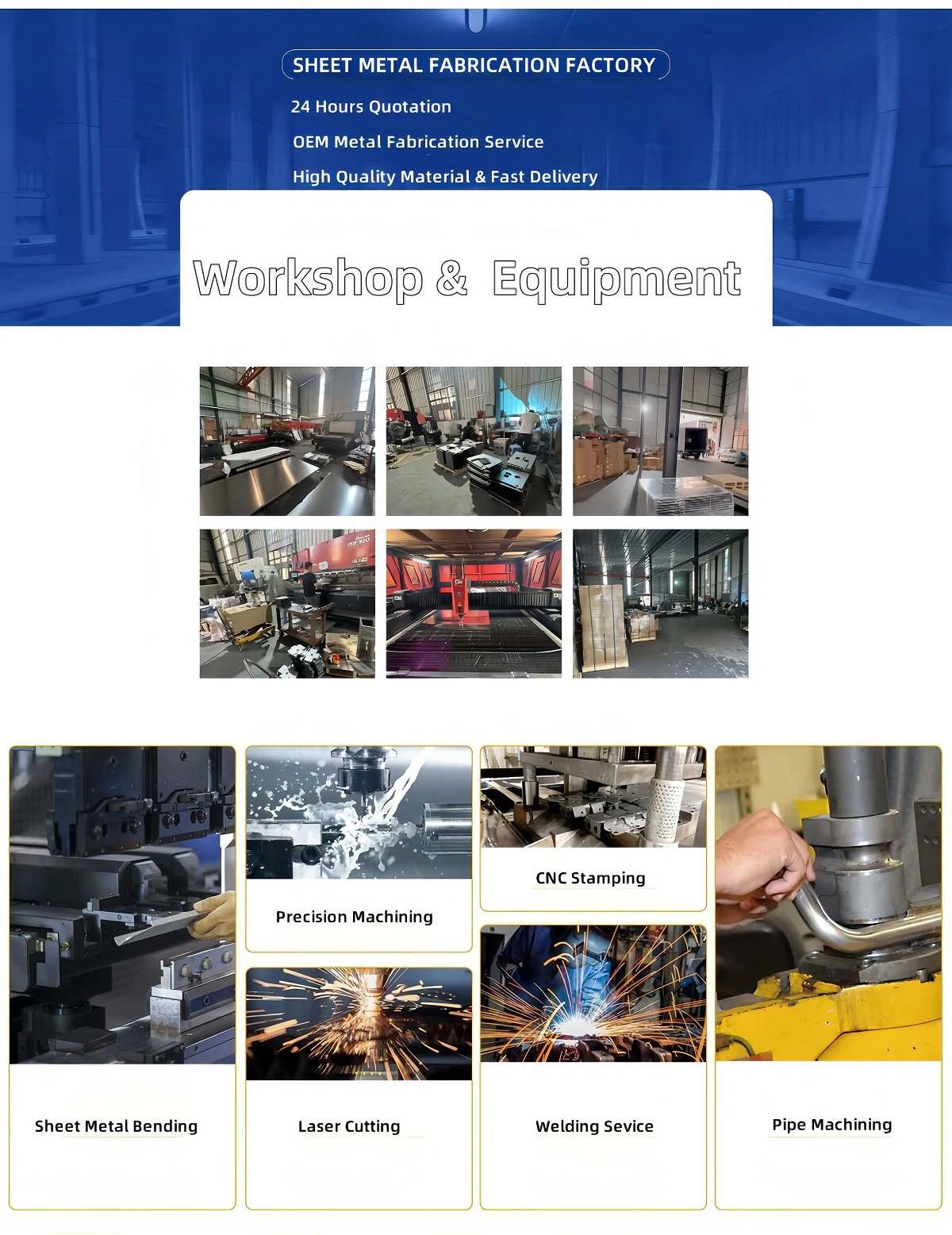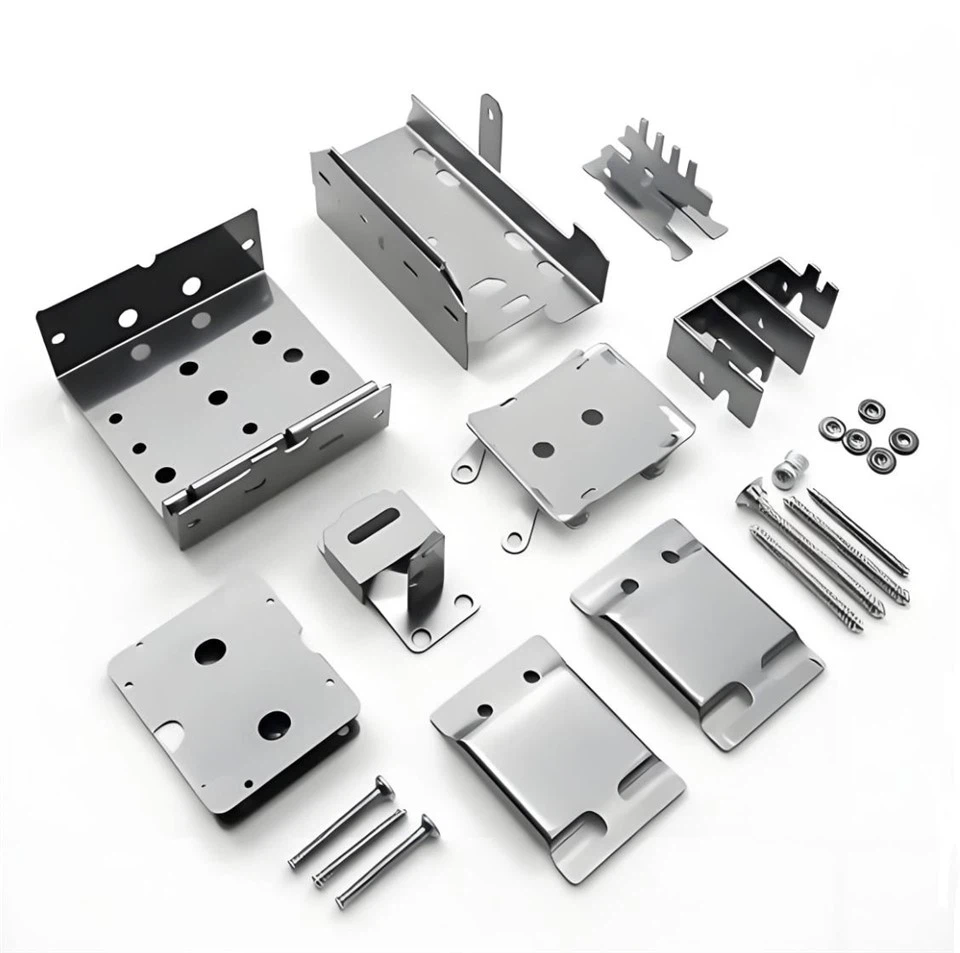
Precision sheet metal fabrication is a manufacturing process that involves cutting, bending, and assembling metal to create parts and structures with high accuracy and tight tolerances. This process is widely used in industries such as aerospace, automotive, electronics, medical devices, and construction, where precision and durability are critical.

|
Material |
Carbon steel, stainless steel,SPCC, SGCC, pipe, galvanized steel , aluminum alloy |
|
Processing |
Laser cutting, Bending, Welding, Precision stamping, CNC Punching, Threading, Riveting, Drilling, Assembling, etc. |
|
Thickness |
0.2~20 mm |
|
Tolerance |
+/-0.1mm, 100% QC quality inspection with quality inspection form |
|
Surface Treatment |
Powder coating, Anodizing, Polishing, Brushing, Sandblast, Plating, Silkscreen printing, Zinc chromate, Black Oxide |
|
Drawing Format |
DWG, STEP, SLDPRT, DXF, IGS, 3DS, STL, SKP, AI, PDF, JPG, Draft |
|
Packing |
Wooden Pallet, Wooden case, Bubble wrap, Paperboard, Film, Crate, etc.(As customers' requirement) |
|
Sample Lead Time |
Negotiate delivery time according to your needs |
|
Quotation is according to your drawing(size, material, thickness, processing content, and required technology, etc) |
|

Product Cases


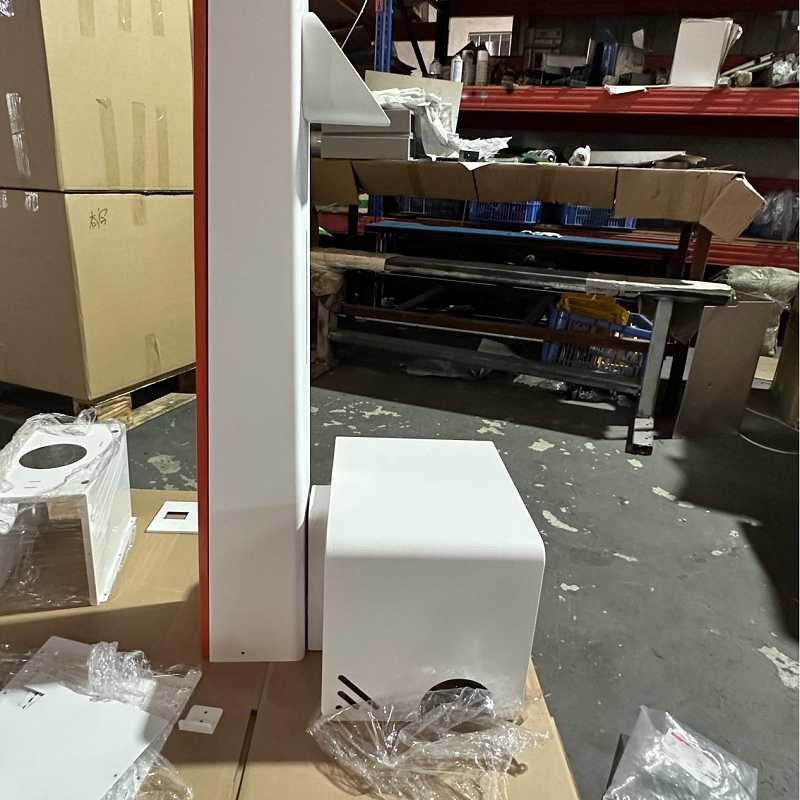


Key Processes in Precision Sheet Metal Fabrication
1. Cutting:
- Laser Cutting: Uses a high-powered laser to cut metal sheets with extreme precision.
- Waterjet Cutting: Employs a high-pressure stream of water mixed with abrasive materials to cut through metal.
- Plasma Cutting: Utilizes a plasma torch to cut through electrically conductive metals.
- Shearing: A mechanical process that cuts straight lines on flat metal sheets.
2. Bending:
- Press Brake Forming: Uses a press brake machine to bend metal sheets into desired angles and shapes.
- Roll Forming: Passes metal sheets through a series of rollers to achieve curved or cylindrical shapes.
3. Stamping:
- A process that uses dies and punches to create shapes, holes, or patterns in metal sheets.
4. Punching:
- Creates holes or cutouts in metal sheets using a punch and die.
5. Welding:
- Joins metal parts together using techniques like TIG (Tungsten Inert Gas) welding, MIG (Metal Inert Gas) welding, or spot welding.
6. Assembly:
- Combines fabricated parts using fasteners, adhesives, or welding to create the final product.
7. Finishing:
- Powder Coating: Applies a protective and decorative finish to metal parts.
- Anodizing: Enhances corrosion resistance and surface hardness for aluminum parts.
- Plating: Adds a layer of metal (e.g., chrome, nickel) for improved durability or appearance.
- Deburring: Removes sharp edges or burrs from cut metal parts.

Advantages of Precision Sheet Metal Fabrication
- High accuracy and repeatability.
- Ability to produce complex geometries.
- Cost-effective for high-volume production.
- Wide range of material options.
- Durable and long-lasting products.
Packing&Shipping
Package By carton/crate or as per your requirement