


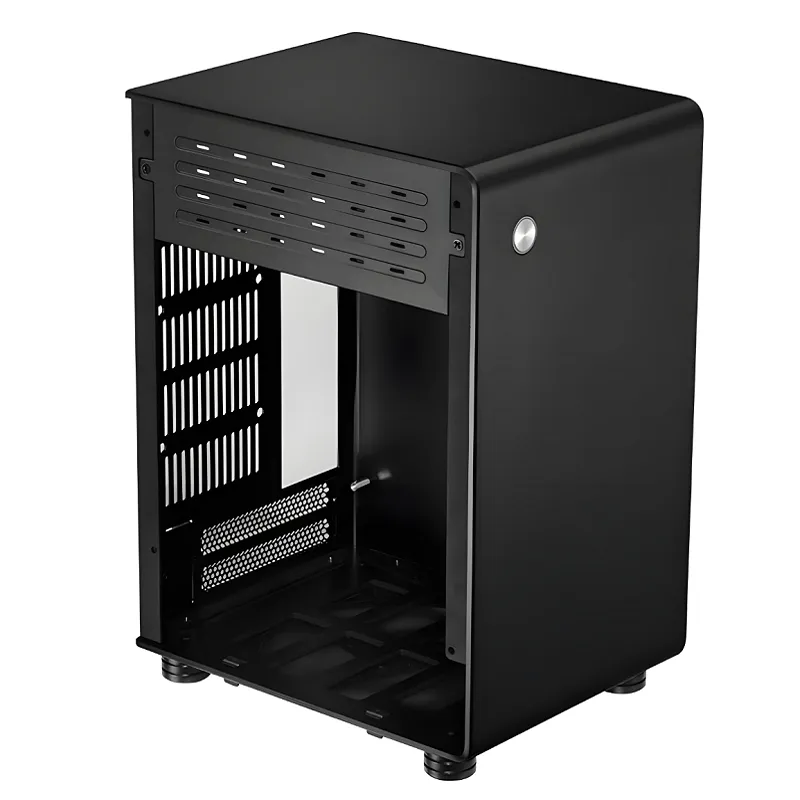
A metal enclosure is a protective housing made primarily from metal materials, designed to contain, shield, and safeguard equipment, components, or personnel. They are widely used across industries due to metal's durability, strength, and protective properties. Here's a breakdown of key aspects:
Common Applications of Metal Enclosure
Electrical & Electronics
Control panels, switch gear, PLC, power supplies, servers, transformers.
Protects against dust, moisture, EMI/RFI interference, and physical damage.
01
Industrial Machinery
Guards for moving parts (conveyors, robots), sensor housings, motor enclosures.
02
Telecommunications
Outdoor cabinets for routers, antennas, and networking gear (weatherproof).
03
Consumer/Commercial
Junction boxes, kiosks, point-of-sale systems, medical devices, audio equipment
04
Outdoor/Utility
Traffic control systems, EV charging stations, solar inverters.
05
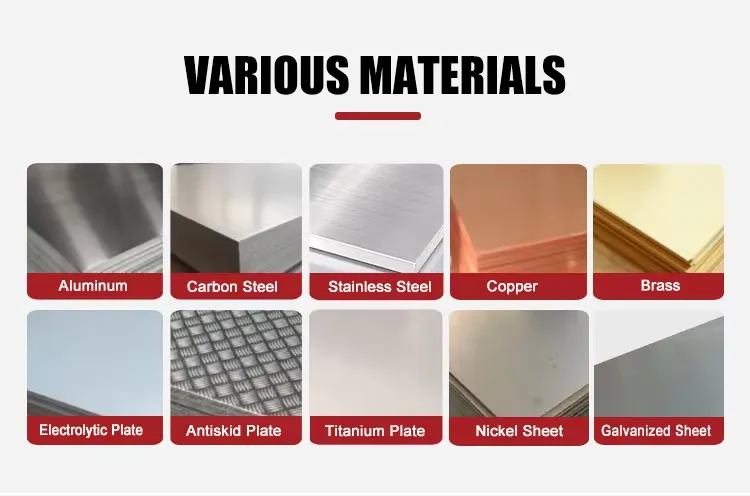
Manufacturing Methods of Metal Enclosure
- Sheet Metal Fabrication:Cutting, bending, welding (most common for enclosures).
- Die Casting:Molten metal injected into molds (complex shapes, high volume).
- Extrusion: Aluminum profiles cut/modified (modular enclosures).
- Machining: Precision CNC-milled blocks (high-end/high-tolerance applications).

Popular Examples
- Hoffman / Rittal: Industrial steel enclosures.
- Bud Industries: Aluminum electronic boxes.
- Siemens / Schneider Electric: Control panel cabinets.
- Server Racks: Dell, APC (steel/aluminum frames).
When Choosing A Metal Enclosure
- Assess environmental risks (moisture, heat, chemicals).
- Define size, security, and access needs.
- Prioritize EMI shielding or thermal requirements.
- Balance material cost vs. lifecycle durability.
Need help with a specific application? Share details (e.g., use case, environment, size) for tailored advice!


