


An electronics enclosure is a protective housing designed to safeguard electronic components from environmental factors, physical damage, electrical interference, and user interaction.
Key Functions of Electronics Metal Enclosure
Physical Protection
Shields against dust, moisture, impacts, and vibrations.
Environmental Sealing
Rated by **IP (Ingress Protection)** codes (e.g., IP67 = dust-tight and water-resistant).
Thermal Management
Dissipates heat via vents, fans, heat sinks, or thermally conductive materials.
EMI/RFI Shielding
Metal enclosures (aluminum, steel) block electromagnetic interference.
Safety & Compliance
Prevents electric shock; meets standards like UL, CE, or RoHS.
Aesthetics & Usability
Branding, ergonomics, and user interface (buttons, displays).
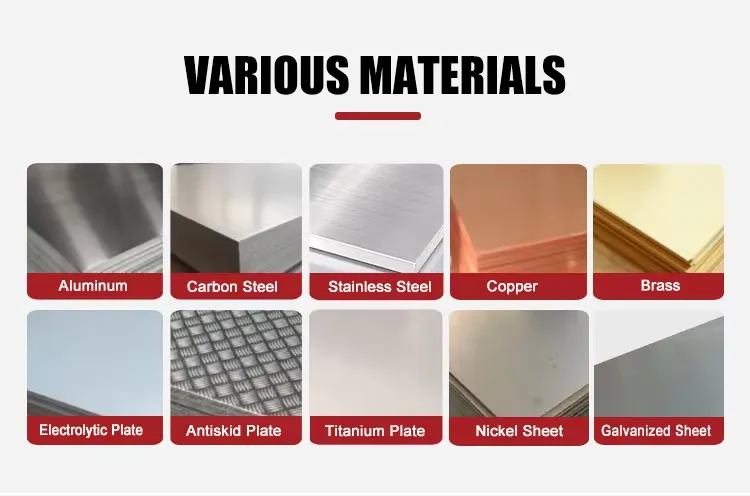
Design Considerations of Electronics Metal Enclosure
Size & Mounting
Internal clearances, PCB mounts, DIN-rail compatibility.
Access Points
Cable glands, connectors, service panels.
Cooling
Natural convection (vents) vs. forced airflow (fans).
Regulatory Requirements
Flame retardancy (UL94), EMC compliance (FCC/CE).

Tools & Services
- 3D Printing(Prototyping): PLA, PETG, or ABS for rapid iteration.
- Laser Cutting/CNC: For custom metal/acrylic enclosures.
What's your specific use case? (e.g., outdoor sensor, IoT device, industrial controller?) I can refine recommendations based on your needs!


