


Building a custom Waterprproof Enclosure requires careful planning to ensure it perfectly fits your unique needs. Here's a breakdown of the process and key considerations:
Key Waterproofing Features
Gaskets
Crucial! Made from materials like EPDM, Silicone, or Neoprene. Compressed between the body and lid/door to form a tight seal.
Robust Sealing Surfaces
Machined or formed flanges where the gasket sits ensure even compression.
Secure Closure
Over-center latches, compression latches, bolts, or threaded fasteners evenly compress the gasket.

Waterprproof Enclosure Manufacturing Methods
CNC Machining
Ideal for prototypes/complex shapes (precise sealing surfaces).
Sheet Metal Fabrication
Best for batches >50 units (bent/welded enclosures).
Extrusion + Caps
Cost-effective for long housings (e.g., lighting).
Die Casting
High-volume production (zinc/aluminum) for intricate designs.
How To Custom Waterprproof Enclosure?
1. Define Environment: Saltwater? Chemicals? UV exposure? Temperature extremes? Washdowns?
2. Determine IP/NEMA Rating: What level of water/dust protection is essential?
3. Size & Internal Layout: Space for components + wiring + cooling + future expansion?
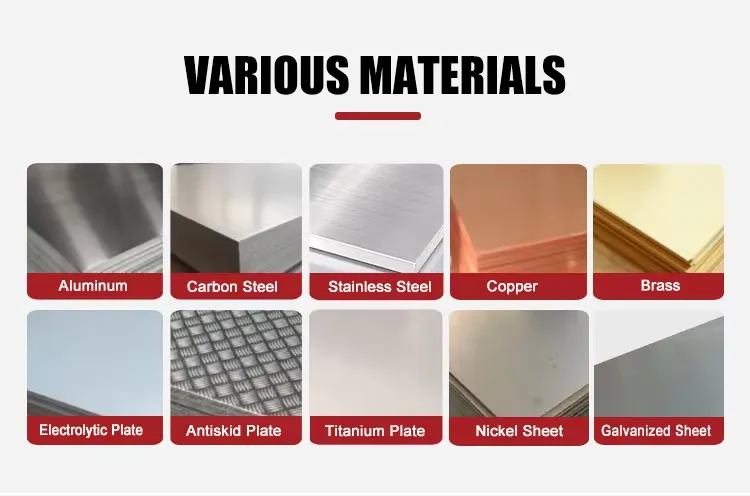
4. Material Selection: Balance corrosion needs, weight, cost, and shielding requirements.
5. Accessories: Required cable glands, cooling methods, mounting hardware, windows, internal DIN rails/panels?
6. Certifications: Need specific industry certifications (UL, ATEX for hazardous areas, etc.)?
By understanding these factors, you can select the optimal metal waterproof enclosure for your specific application.


